
Back-to-School Health Checklist: Start the School Year Strong
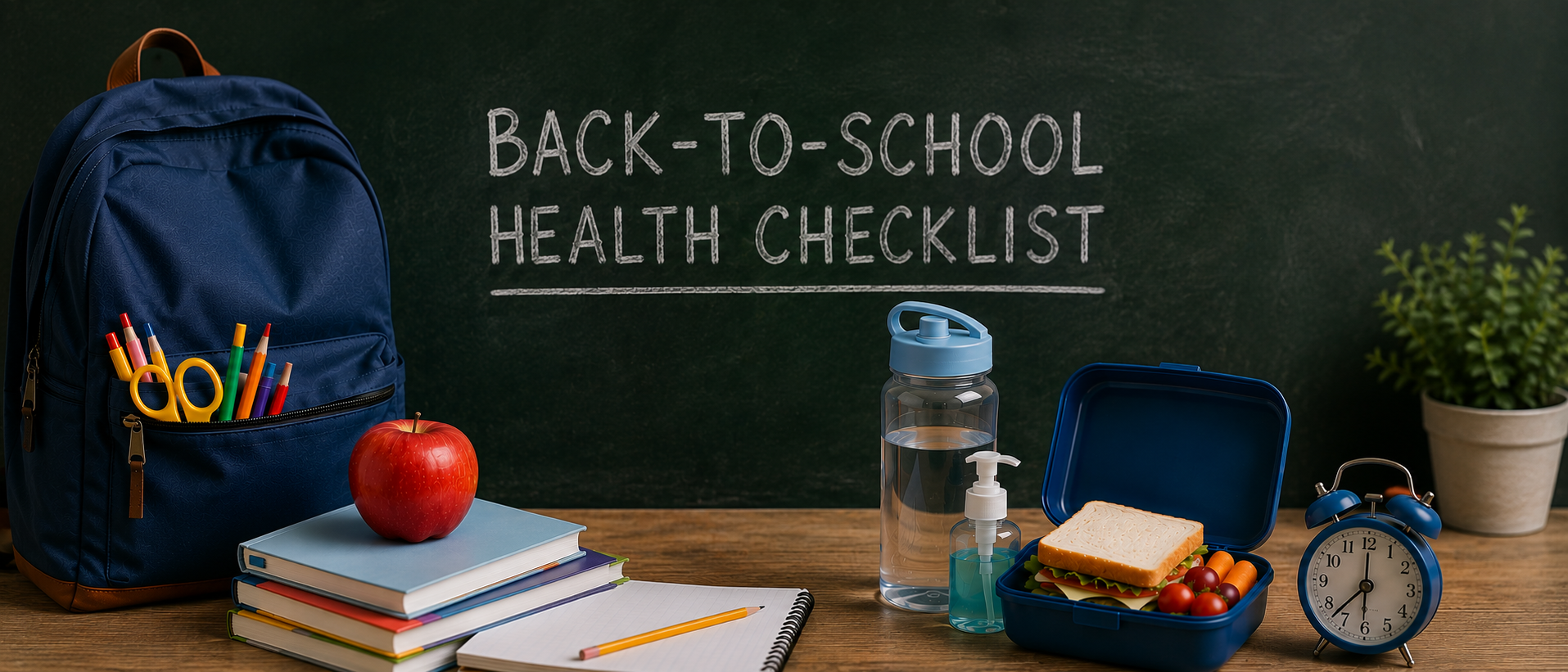
There's a particular kind of chaos that kicks in right before school starts. The new uniforms are still in bags with tags attached. Stationery is somehow everywhere and nowhere at the same time. And somewhere in the middle of all this, you're trying to remember: did the kids get their physical exam? When was their last tetanus shot?
If this sounds familiar, you're not alone. Back-to-school season is hectic, but it's also the perfect reset moment to make sure everyone starts the year healthy. Not just healthy—actually feeling good, sleeping enough, and ready to handle what school throws at them.
Here's the thing: a lot of what determines how kids (and parents) actually feel during the school year gets decided in these first few weeks. The habits that stick, the health issues caught early, the mental prep that matters. So let's break down what actually needs attention before that first bell rings.
The Physical Health Baseline
Medical appointments and check-ups
This one's not glamorous, but it's non-negotiable. Most schools require an updated health exam before enrollment anyway, so you're doing it either way. Might as well be organized about it.
What to get done:
• Annual physical exam (yes, they really do need one every year)
• Vision and hearing screening
• Dental check-up and cleaning (summer is the worst time for this, but September is the reset)
• Any specialty appointments if your child has existing conditions like asthma, diabetes, and severe allergies
The reason this matters beyond just "the rules"? Teachers and coaches need accurate information about what your kid can and can't do. A dental problem you didn't catch could become a nightmare during midterms. A vision issue that's been affecting their ability to read the board? That changes everything once you catch it.
Immunizations and preventive care
I know the vaccine conversation is loaded these days, but here's the practical reality: schools typically require certain immunizations, and back-to-school is actually a risky time for illness spread. Kids are in close quarters, sharing germs before anyone realizes someone's sick. Check your records for:
• MMR (measles, mumps, rubella)
• Tdap (tetanus, diphtheria, pertussis)
• Flu shot (ideally before October)
• HPV vaccine (if age-appropriate)
• COVID-19 vaccine/booster status
• Chickenpox immunity
If your child has missed doses or you're unsure, book an appointment with your healthcare provider to review their immunization history. This also gives you a chance to ask questions if you have concerns about specific vaccines, don't do this in a panicked way the day before school starts.
Sleep and Routine: The Underrated Foundation
Here's what nobody talks about enough: kids who slept until 10 AM all summer cannot magically adjust to 6:30 AM wakeups on day one. The adjustment takes about two weeks, and it's painful for everyone involved.
Start adjusting sleep schedules about 1-2 weeks before school begins. Move bedtime and wake time 15 minutes earlier every few days. This feels excessive until you're actually living through the first week and realizing other parents did this and you didn't, and there's a noticeable difference.
What actually helps:
• Consistent wake times (yes, even on weekends, once school starts—this is the part people hate)
• Bedtime 30-45 minutes before they need to sleep (phones off, wind-down time)
• A dark, cool bedroom. This matters more than people realize.
• Realistic expectations for how much sleep they actually need (8-10 hours for school-age kids, 8-12 for teens most kids don't get close)
Sleep deprivation doesn't just make kids tired. It affects their immune system, mood, ability to focus, and appetite regulation. It's literally one of the highest-ROI changes you can make before school starts.
Nutrition: Stocking the Right Stuff
You don't need to overhaul your entire pantry, but the week before school is a good time to think about what's actually going to be available for breakfast and lunch.
Most kids run on some combination of whatever's quick and what they actually like eating.
So:
• Stock breakfast items that are actual food but still quick: eggs, oatmeal, yogurt, fruit, whole grain bread. The goal is not Instagram-worthy breakfasts; the goal is to not send your kid to school hungry.
• For lunch, think about what your kid will actually eat, not what you think they should eat. If they hate the salad you packed, they'll trade it for chips. Work with their preferences while building in protein and vegetables where possible.
• Have snacks that aren't pure sugar. Crackers with cheese, nuts, fruit, granola bars that aren't mostly sugar. The afternoon 3 PM energy crash is real and ties directly to what they ate at lunch.
• Hydration matters. Kids genuinely forget to drink water during school. Send a reusable bottle they actually like.
This doesn't require a meal plan. It requires knowing what's in your fridge and what your kid will eat when they're tired before second period.
Mental Health and Emotional Readiness
This is where a lot of parents get uncomfortable because it's less tangible than "book a doctor's appointment," but it's equally important.
Signs your child might need extra support going into a new school year:
• They're anxious about a new school or transition
• There's been a major change at home (move, family situation, etc.)
• They struggled socially or academically last year
• They seem withdrawn or aren't excited about their interests
• Sleep or eating patterns have shifted noticeably
You don't necessarily need to get them into therapy before September (though that's fine if you do). Sometimes what helps is acknowledging the nervousness, talking through what they're worried about, and building some confidence before the year starts.
For younger kids: talk about what to expect, read books about starting school, maybe visit the building if possible.
For older kids: listen more than you talk. Ask what they're nervous about without immediately trying to fix it. Sometimes they just need to know you hear them.
Reality check: It's okay if they're nervous. It's okay if you're nervous for them. New things are hard. That's normal.
The Practical Logistics
Before we wrap up, the unsexy but essential stuff:
• Get copies of any medical documents, immunization records, emergency contact forms, and insurance information together in one place (yes, an actual folder or at least a digital folder).
• Know your school's health policy. What happens if your child gets sick? Who do you contact? Are there any specific health requirements or restrictions?
• If your child has a condition that needs management at school (asthma, allergies, diabetes), set up a meeting with the school nurse and any relevant teachers before school starts.
• Label everything with your child's name, but also understand they're going to lose things anyway. That's not a failure of parenting; that's just how it works.
The Real Talk
You're not trying to create perfect health conditions before school. That's impossible and unsustainable. What you're doing is catching the fixable stuff, building in some basic habits that make life easier, and starting the year from a place where your child actually feels okay, not perfect, just okay.
If you get the medical stuff handled, make sure they're sleeping enough, keep some actual food in the house, and pay attention to how they're feeling emotionally, you've done the thing. That's the back-to-school health foundation that actually matters.
And if you forget half of this? Your kid's going to be fine. Schools have seen it all. But if you remember even a few pieces, the sleep adjustment, the physical exam, checking in on how they're actually feeling, it makes a measurable difference in how they handle the year.
Start there. Everything else is bonus.
Recent Posts
- Understanding Your Cholesterol Numbers: A Guide to Getting Screened
- When Someone You Care For Is Struggling: A Guide for Healthcare Providers
- National Immunization Awareness Month: Protecting Our Communities Starts With You
- Heat Exhaustion vs. Heat Stroke: Know the Difference Before You Need To
- Skin Cancer Prevention Starts with Daily Sun Protection
- Brain Health Tips for Seniors: Supporting Cognitive Wellness
- Alzheimer's Disease Symptoms: What Patients and Caregivers Should Watch For
- Mindfulness and Stress Reduction Techniques Anyone Can Use
- How to Talk to Your Primary Care Provider about Mental Health
- Healthcare Burnout in 2026: What Needs to Change?
- Health Equity in 2026: What Providers Need to Fix Now
- Colorectal Screening Explained: A Simple Step That Can Prevent Serious Disease
- Eating for Prevention: Foods That Support Colon and Digestive Wellness
- From Awareness Campaigns to Risk Architecture: Redesigning Cancer Prevention for Enterprise Resilience
- From Benefits Program to Business Signal: Reframing Heart Health as an Early-Warning System
- The Role of Community Engagement in Sustainable Blood Donation
- Addressing Gaps in Maternal Care across Pregnancy, Delivery, and Postpartum
- Recognizing Core Triggers of Social Anxiety and Addressing Them Systematically
- A Structured Approach to Managing Seasonal Depression Through Evidence-Based Practices
- Stronger Lungs, Longer Life: Practical Ways to Protect Respiratory Health
 Providers and Resources
 Health Plans
 Urgent Care Centers